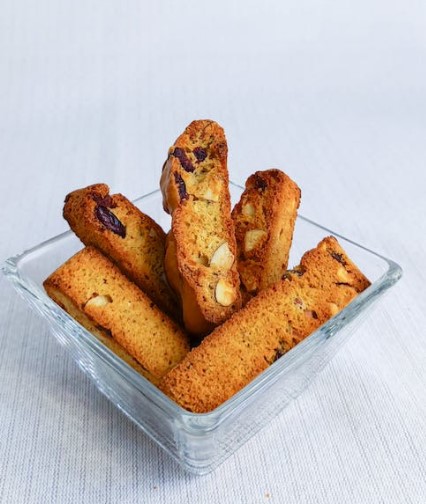
Understanding the Twice-Baked Tradition: Mandel Bread vs. Biscotti
The world of cookies is vast and varied, but few categories hold as much comforting appeal as the twice-baked varieties. These delightful treats, designed for longevity and often perfect for dipping, share a fundamental preparation method, yet they diverge significantly in character and tradition. At one end, we have the ubiquitous Italian biscotti, famed for its formidable crunch and ideal for a dunk into espresso. On the other, we find mandel bread, or mandelbrodt – literally "almond bread" – a cherished Jewish cookie with roots in Eastern Europe.
While both are shaped into logs, baked, then sliced and baked again, their inherent textures are often worlds apart. Traditional biscotti recipes typically contain minimal fat, resulting in a drier, harder crumb that requires softening in a beverage. Mandel bread, however, generally calls for a higher quantity of oil or butter, yielding a cookie that is inherently softer and more tender, even after its second bake. This distinction is crucial for those who appreciate a less formidable bite, making mandel bread a favorite for a more immediate, melt-in-your-mouth experience without the need for a dunk.
The Marzipan Magic: Unlocking Unparalleled Softness and Flavor
The fundamental difference in fat content often gives mandel bread its characteristic tenderness, but when ingredients like marzipan are introduced, the cookie’s texture and flavor reach an entirely new level of sophistication and softness. Marzipan, a sweet, pliable paste made primarily from ground almonds and sugar, is a game-changer in the world of baked goods, and particularly transformative in mandel bread.
Why does marzipan make such a profound difference? It’s a combination of its inherent properties. First, marzipan is rich in natural almond oils and sugars. When incorporated into a dough, these elements infuse moisture and richness, creating pockets of intense almond flavor and contributing significantly to a lovely, tender crumb throughout the finished cookie. The fat from the almonds and the sugar molecules interfere with gluten development in the flour, preventing the cookie from becoming overly dense or tough. This results in a cookie that is remarkably soft-batch, even after the second baking stage that usually aims for crispness.
Beyond texture, marzipan elevates the flavor profile. It imparts a deep, aromatic, and slightly sweet almond essence that is more nuanced and potent than almond extract alone. This creates a luxurious and deeply satisfying taste experience, turning a simple almond bread into something truly special. The popular
Molly Yeh's Marzipan Sea Salt Mandel Bread Recipe Guide famously leverages this ingredient, creating a cult following for its unique texture and taste. For those who find traditional biscotti too hard, the marzipan-infused mandel bread offers a delightful alternative that speaks directly to a soft-batch cookie loving heart.
The Irresistible Trifecta: Marzipan, Sea Salt, and Sprinkles
While marzipan delivers the foundational softness and rich almond flavor, the genius of certain mandel bread recipes lies in their masterful combination with other contrasting elements. The inclusion of sea salt and sprinkles (or pearl sugar) elevates the humble cookie into an addictive, multi-sensory delight. This specific combination, often referred to as **mandel bread marzipan sea salt**, is a testament to how simple additions can create extraordinary results.
The flaky sea salt isn't just for decoration; it's a critical flavor enhancer. Its crystalline crunch provides a subtle textural contrast to the soft, cake-like interior, while its salinity perfectly balances the sweetness of the marzipan and the dough. It brightens the almond notes and prevents the cookie from being overly cloying, creating a sophisticated sweet-and-salty dynamic that keeps you reaching for more.
Sprinkles or pearl sugar, applied just before the first bake, contribute both visual appeal and another layer of texture. They create a playful, festive crust that shimmers and adds a gentle sugary crunch to the exterior, further distinguishing it from its unadorned counterparts. Some recipes also suggest adding cacao nibs or dark chocolate chips. These provide a welcome bitterness and depth, creating another dimension of flavor that complements the sweet almond and salty notes beautifully. This thoughtful interplay of soft and crunchy, sweet and salty, rich and bright, is what makes **mandel bread marzipan sea salt** so incredibly captivating. To learn more about this enchanting treat, be sure to
Discover the Addictive Charm of Marzipan Sea Salt Mandel Bread.
Crafting Your Own Marzipan Sea Salt Mandel Bread: Tips & Tricks
Making your own **mandel bread marzipan sea salt** is a rewarding experience that allows you to control the quality and freshness of this delightful treat. Here are some practical tips to ensure your homemade batch is as perfect as can be:
*
Marzipan Preparation: When working with marzipan, it's often dense and can be sticky. Cut it into small, ½-inch pieces and toss them with a tablespoon of powdered sugar. This prevents the marzipan from clumping together and helps distribute it evenly throughout the dough, ensuring those lovely pockets of intense almond flavor in every bite.
*
Dough Handling: Mandel bread dough is often quite soft. Don't be afraid to refrigerate it for an hour or even overnight if it's too sticky to handle easily. Chilled dough is much easier to mold into the required log shape for baking. This also allows the flavors to meld beautifully.
*
Even Baking: For the first bake, aim for the centers to be set and the bottoms lightly browned. The exact timing can vary, so keep an eye on it. The second bake, after slicing, is all about achieving your desired level of crispness. For a softer mandel bread, bake for a shorter duration during the second stage (around 15-20 minutes at 250 degrees F). If you prefer a bit more snap, extend the time slightly, but remember the marzipan will always ensure a more tender result than traditional biscotti.
*
The Perfect Slice: Once the logs have slightly cooled after the first bake, use a sharp serrated knife to cut them crosswise into 1-inch thick slices. A serrated knife is key for a clean cut without tearing the delicate, warm dough.
*
Flavor Enhancements: Don't skip the flaky sea salt and pearl sugar or sprinkles! These aren't just cosmetic; they add crucial texture and flavor contrast. If using chocolate, consider high-quality dark chocolate chips or chopped cacao nibs for a richer, more complex profile.
*
Storage: Mandel bread stores well in an airtight container at room temperature for up to a week. This makes it an ideal make-ahead treat, perfect for morning coffee or an afternoon pick-me-up. Having a jar on the counter can truly be the motivation you need to start your day on a cozy, delicious note.
Conclusion
The debate between mandel bread and biscotti ultimately comes down to personal preference for texture. While both are cherished twice-baked cookies, mandel bread distinguishes itself with its inherent tenderness, a quality amplified and perfected by the inclusion of marzipan. The unique combination of **mandel bread marzipan sea salt** offers an unparalleled sensory experience: the luxurious softness from the marzipan, the burst of intense almond flavor, the delightful crunch and balance from the flaky sea salt, and the playful visual and textural appeal of sprinkles. This isn't just a cookie; it's a moment of pure comfort, a perfect companion to your morning coffee or evening tea, promising a tender bite that truly satisfies.